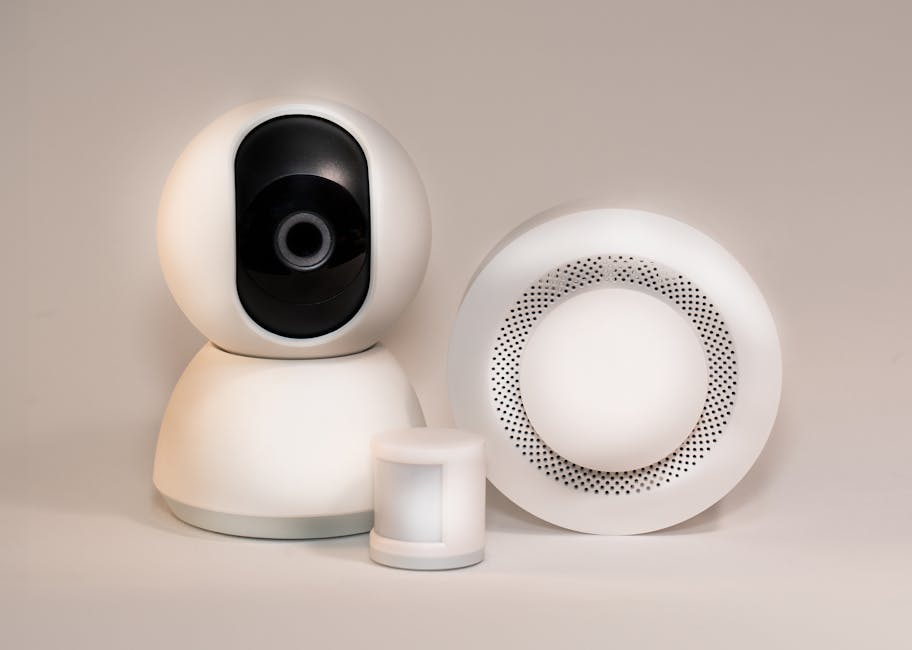
Connected Home Security: Combining Protection and Leak Detection
The Evolution of Home Security: From Passive to Proactive
The landscape of home security has dramatically shifted from traditional, reactive systems to sophisticated, proactive solutions leveraging the Internet of Things (IoT). No longer is security solely about deterring intruders with alarms; it’s about comprehensive protection that includes monitoring for environmental hazards, detecting leaks, and providing real-time alerts and remote control capabilities. This evolution is driven by advancements in sensor technology, wireless communication, and data analytics, making homes smarter and safer than ever before. The modern connected home security system integrates intrusion detection, environmental monitoring, and leak detection into a unified platform, offering unparalleled peace of mind.
Understanding the Core Components of a Connected Security System
At its core, a connected security system comprises several key components that work in concert to provide a layered approach to home protection:
-
Control Panel: The central hub of the system, responsible for managing and coordinating all connected devices. It serves as the communication bridge between sensors, the homeowner, and a monitoring center (if applicable). Modern control panels often feature touchscreen interfaces, voice control integration, and cellular or Wi-Fi connectivity for reliable communication even during power outages or internet disruptions.
-
Door and Window Sensors: These sensors detect unauthorized entry by monitoring the opening and closing of doors and windows. Magnetic contacts separate when a door or window is opened, triggering an alarm signal. Smart sensors can also differentiate between forced entry and normal opening, reducing false alarms.
-
Motion Detectors: Utilizing infrared (PIR) or microwave technology, motion detectors identify movement within a defined area. PIR sensors detect changes in heat signatures, while microwave sensors emit microwave radiation and analyze the reflected signal for movement. Combining both technologies in dual-tech detectors can further minimize false alarms triggered by pets or environmental factors.
-
Security Cameras: Providing visual verification of events, security cameras are crucial for deterring crime and capturing evidence. Smart cameras offer features such as motion detection, facial recognition, night vision, two-way audio, and cloud storage for recorded footage. Wireless cameras offer flexibility in placement, while wired cameras provide more reliable connectivity.
-
Smart Locks: Replacing traditional key-based locks, smart locks allow homeowners to remotely lock and unlock doors via a smartphone app or keypad. They can also grant temporary access codes to guests or service providers, eliminating the need for physical keys. Integration with the security system allows for automated locking upon arming the system.
-
Alarm Siren: A loud audible alarm designed to deter intruders and alert neighbors in case of a security breach. The siren is typically activated when sensors detect unauthorized activity.
-
Environmental Sensors: These sensors monitor environmental conditions such as temperature, humidity, and carbon monoxide levels. They alert homeowners to potential hazards like freezing temperatures, excessive humidity that could lead to mold growth, or carbon monoxide leaks.
-
Leak Detectors: A critical component of connected home security, leak detectors identify water leaks from pipes, appliances, and fixtures. Early detection of leaks can prevent costly water damage and mold growth.
The Importance of Leak Detection in Comprehensive Home Security
Water leaks, often overlooked, can cause significant damage to homes, leading to costly repairs, structural issues, and health hazards like mold. Traditional security systems focus primarily on intrusion detection, leaving homes vulnerable to the devastating consequences of undetected leaks. Integrating leak detection into a connected security system provides a holistic approach to home protection, addressing both security threats and environmental risks.
Types of Leak Detection Sensors and Their Functionality
Various types of leak detection sensors are available, each designed for specific applications and environments:
-
Spot Leak Sensors: These small, discreet sensors are placed near potential leak sources, such as under sinks, near washing machines, and around water heaters. They detect the presence of water and trigger an alarm.
-
Whole-House Leak Detectors: Installed on the main water line, these devices monitor water flow and pressure. They can detect unusual water usage patterns, indicating a potential leak, and automatically shut off the water supply to prevent further damage. Some models utilize advanced algorithms to differentiate between normal water usage and leaks.
-
Pipe Freeze Sensors: Designed to detect freezing temperatures in pipes, these sensors alert homeowners to the risk of pipe bursts. They can be particularly useful in areas prone to cold weather.
-
Humidity Sensors: While not specifically designed for leak detection, humidity sensors can indirectly indicate a potential leak by monitoring humidity levels in specific areas. High humidity levels can signify a leak or moisture intrusion.
Benefits of Integrating Leak Detection with Home Security
Integrating leak detection into a connected security system offers numerous benefits:
-
Early Leak Detection: Sensors provide immediate notification of leaks, allowing homeowners to address the issue before it escalates into a major problem.
-
Reduced Water Damage: Early detection and automated water shut-off capabilities minimize water damage and prevent costly repairs.
-
Prevention of Mold Growth: By addressing leaks promptly, homeowners can prevent mold growth, which can pose serious health risks.
-
Lower Water Bills: Identifying and fixing leaks can significantly reduce water consumption and lower water bills.
-
Remote Monitoring and Control: Homeowners can monitor water usage and receive leak alerts from anywhere with an internet connection, providing peace of mind while away from home.
-
Insurance Benefits: Some insurance companies offer discounts to homeowners who install leak detection systems, recognizing the reduced risk of water damage.
Integrating Leak Detection with Smart Home Platforms
Seamless integration with smart home platforms enhances the functionality and convenience of connected security systems. Compatibility with platforms like Google Assistant, Amazon Alexa, and Apple HomeKit allows homeowners to control their security system, receive alerts, and manage leak detection devices using voice commands or a single app. This integration enables automation, such as automatically shutting off the water supply when a leak is detected or adjusting the thermostat to prevent pipe freezing.
Choosing the Right Connected Home Security System with Leak Detection
Selecting the right connected home security system with leak detection requires careful consideration of individual needs and priorities. Factors to consider include:
-
Budget: Security systems range in price from basic DIY kits to professionally installed systems with advanced features.
-
Home Size and Layout: Larger homes may require more sensors and cameras to provide comprehensive coverage.
-
Desired Features: Determine which features are most important, such as professional monitoring, home automation integration, and specific types of leak detection sensors.
-
Installation Options: Consider whether you prefer a DIY installation or professional installation. DIY systems offer cost savings, while professional installation ensures proper setup and configuration.
-
Monitoring Options: Choose between self-monitoring, where you are responsible for responding to alerts, or professional monitoring, where a monitoring center will contact emergency services if needed.
-
Compatibility: Ensure that the system is compatible with your existing smart home devices and platforms.
-
Reputation and Reviews: Research different security system providers and read customer reviews to assess their reliability and customer service.
Installation and Maintenance of Leak Detection Sensors
Proper installation and maintenance are crucial for the effective operation of leak detection sensors:
-
Placement: Place sensors in areas prone to leaks, such as under sinks, near appliances, and around water heaters.
-
Testing: Regularly test the sensors to ensure they are functioning correctly.
-
Battery Replacement: Replace batteries as needed to maintain continuous operation.
-
Cleaning: Clean the sensors periodically to remove dust and debris.
-
Calibration: Calibrate whole-house leak detectors according to the manufacturer’s instructions.
Future Trends in Connected Home Security and Leak Detection
The future of connected home security and leak detection promises even more advanced features and capabilities:
-
Artificial Intelligence (AI): AI-powered systems will be able to analyze data from sensors to predict potential security breaches and leaks before they occur.
-
Machine Learning (ML): ML algorithms will learn from past data to improve the accuracy of leak detection and reduce false alarms.
-
Enhanced Sensor Technology: New sensors will be able to detect a wider range of environmental hazards and provide more detailed information.
-
Integration with Utility Companies: Utility companies may offer services that integrate with connected security systems to provide real-time water usage monitoring and leak detection.
-
Proactive Leak Prevention: Systems may be able to automatically adjust water pressure or shut off specific appliances to prevent leaks from occurring.
-
Cybersecurity Enhancements: As connected security systems become more prevalent, cybersecurity will become increasingly important. Future systems will incorporate advanced security measures to protect against hacking and data breaches.
By embracing connected home security systems with integrated leak detection, homeowners can proactively protect their property, prevent costly damage, and enjoy greater peace of mind. The convergence of security and environmental monitoring represents a significant advancement in home protection, empowering homeowners to create safer and more secure living environments.